Creator working on music and digital content at a laptop, illustrating a creative hobby workflow guided by only fans managers.

Understanding Creative Motivation and Why It Naturally Comes in Waves

Creative motivation rarely behaves in a straight line, because it rises, pauses and returns in patterns that reflect human energy rather than rigid productivity rules. Many creators begin their journey as a hobby driven by curiosity and joy, yet frustration often appears when motivation fades unexpectedly. Even creators who later work with only fans managers notice that motivation cannot be forced, because creative energy follows its own rhythm. Understanding these natural cycles helps creators protect their enthusiasm and enjoy their creative hobby without pressure or guilt.

Why Motivation Is Never Constant for Creative People

Motivation fluctuates because creativity depends on emotional, mental and physical energy, all of which change daily. When creators feel inspired, ideas flow easily and creation feels effortless, yet during quieter phases the same tasks may feel heavy or distant. This fluctuation is not a flaw but a natural response to stimulation, rest and reflection. Accepting this reality allows creators to release unrealistic expectations and treat their hobby as a living process rather than a performance. When motivation is viewed as cyclical, creators stop judging themselves during low phases and instead learn to move gently through them.

The Common Motivation Phases Creators Experience

Most creators move through similar motivational phases, even if the timing and intensity differ. Recognizing these phases helps normalize emotional changes and reduces self pressure.

  • A high energy phase where ideas feel exciting and creation flows naturally

  • A productive phase where structure supports steady output

  • A quiet phase where inspiration slows and reflection becomes important

  • A recovery phase where rest restores creative curiosity

  • A renewal phase where motivation returns with fresh perspective

When creators understand these phases, they begin to work with their energy instead of resisting it, which keeps the hobby enjoyable and sustainable over time.

Creator filming content with a smartphone and ring light, showing focused content creation supported by only fans managers.

How Low Motivation Phases Support Creative Growth

Low motivation often feels uncomfortable, yet it plays a vital role in creative development. During slower periods creators unconsciously process experiences, refine taste and clarify personal direction. These phases create space for observation rather than production, which deepens creative maturity. Instead of forcing output, creators benefit from lighter engagement such as organizing ideas or consuming inspiring content. Many creators who later collaborate with only fans managers reflect that accepting low energy phases helped them build a healthier relationship with creativity long before any professional structure entered the picture.

High Energy and Low Energy Phases Compared

The following table shows how different motivation levels serve different creative purposes and why both are valuable.

High Energy Phase Low Energy Phase
Strong desire to create Desire to pause and reflect
Fast idea generation Deeper idea evaluation
Joyful experimentation Quiet refinement of taste
Focus on output Focus on input and rest
External expression Internal processing

Seeing both phases as equally useful allows creators to remain kind to themselves and maintain long term enjoyment of their hobby.

Gentle Structure That Protects Creative Joy

While hobbies thrive on freedom, light structure can support motivation without turning creativity into obligation. Simple routines such as choosing flexible creation days or keeping an idea journal help creators stay connected even during low energy moments. Some creators later explore tools or guidance such as management for your online business when their hobby grows, yet the foundation remains a respectful relationship with their own energy. Even creators who eventually work with only fans managers often succeed because they learned early how to balance freedom and gentle organization without pressure.

Creative team discussing ideas in a modern office, representing collaboration and guidance often supported by only fans managers.

Learning to Trust Your Creative Rhythm

Trust grows when creators stop comparing their pace to others and start listening to their own rhythm. Creative energy returns more reliably when it is not forced, because motivation responds to curiosity and emotional safety. When creators respect pauses, inspiration feels welcomed rather than demanded. Over time this trust transforms creativity into a source of balance rather than stress, and many creators discover that this mindset supports longevity whether creativity remains a hobby or evolves further with the help of only fans managers.

Why Motivation Often Drops Right Before Creative Growth

Creative motivation rarely fades without purpose. From an expert perspective, motivation often declines at moments when creators are unconsciously preparing for change. What feels like stagnation is frequently a transition phase in which priorities shift and creative direction recalibrates. This explains why doubt or fatigue often appears shortly before greater clarity emerges.

Psychologically, motivation drops when familiar patterns stop feeling meaningful. The creator senses that repeating the same ideas no longer satisfies curiosity, while the next direction is still unclear. This gap creates discomfort, yet it also signals readiness for growth. Rather than forcing output, creators benefit from noticing what feels misaligned, because this awareness often leads to more authentic expression later.

Experts in creative development observe that these phases are common among hobby creators who value enjoyment over performance. When creativity is driven by interest, motivation reacts quickly to loss of meaning. This sensitivity is not weakness. It reflects a healthy creative relationship that responds honestly to inner signals.

Creators who later collaborate with only fans managers often recognize this pattern in hindsight. Low motivation phases helped them refine taste, identity and boundaries before any external structure entered the picture. Motivation declined because the creator was changing, not because creativity failed. Understanding this cycle reduces pressure and self doubt. Low motivation becomes information rather than a problem. It invites reflection instead of urgency and clears space for renewed enthusiasm that feels grounded and genuine.

Creative growth rarely begins with excitement. More often, it starts quietly, disguised as fatigue, and reveals its value only after patience allows motivation to return naturally.


Creativity Thrives When Motivation Is Allowed to Breathe

Creative motivation flourishes when it is treated as a wave rather than a constant force. By accepting natural highs and lows, creators protect their enthusiasm and deepen their connection to their hobby. This understanding encourages patience, joy and long term fulfillment, which ultimately keeps creativity alive in a healthy and sustainable way.

Image source: mavoimages, HockleyM3/peopleimages.com, tirachard /Adobe Stock

Jumping Horses for sale: Rider jumping a sport horse over an obstacle during training

From First Try-Out to Partnership: What Buyers Should Know

Anyone exploring Jumping Horses for sale quickly realises how fine the line is between a promising prospect and a mismatch that drains energy and budget. This guide sharpens your view for the details that matter when a first try-out turns into the beginning of a long partnership.

Why the First Impression Shapes Everything

Choosing a future sport companion is more than analysing height, age or discipline. Buyers often sense potential, yet struggle to judge movement, mindset or training depth. The gap between a stylish presentation and actual suitability can be wide. This article helps you navigate that gap with clarity and precision, so every decision is grounded in skill rather than intuition alone.

Reading Movement With an Expert’s Eye

A first try-out begins before you mount. Watch how the horse enters the arena: Does it scan the surroundings, tighten up, or settle quickly? Observe stride elasticity, joint freedom and rhythm. Skilled riders spot subtle asymmetries early — a slight delay in hind-leg engagement or inconsistent contact can signal issues later.
When evaluating jumping horses for sale at JW Horses, this pre-ride moment often reveals more than the actual jumping round.

To sharpen your judgment:

  • Compare transitions up and down.
  • Focus on how the horse responds to light cues.
  • Notice whether the back swings or stays rigid.

Temperament: The Predictive Factor Buyers Underestimate

Many riders fall for power and scope, yet overlook mental stability. A talented athlete with an unpredictable mind will cost you more nerves than any training schedule. Consider questions like: How quickly does the horse refocus after stress? How much support does it need from the rider?
This part is crucial when browsing Jumping Horses for sale, because temperament often determines whether joy or frustration dominates the coming years.

A practical approach:
Invite a second rider to test the horse. A sensitive mount that only cooperates for one person might limit future progress.

Training Background: Where Skill Meets Consistency

Horse and rider practicing a controlled jump during training

Training history shapes future performance more than pedigree. A well-schooled horse shows straightness, balance and a consistent rhythm. Ask for details: Who trained it? How long? Under which system? And how often has it jumped courses, not just single fences?

Misalignment between training level and buyer expectations is one of the most common problems when selecting Jumping Horses for sale. Riders sometimes expect show-readiness from horses that only mastered basic gridwork. These mismatches are avoidable — and costly.

The Try-Out: Turning Observation into Experience

Mount calmly. Feel the first three strides. A suitable sport partner gives feedback without resistance. Test reactions to half-halts, leg pressure and changes of line.
When approaching jumps, look for honesty, confidence and a controllable pace. Snappy knees impress, but a clear head and an adjustable canter matter more in the long run.

If a professional accompanies you, ask them to ride first. Their neutral assessment offers insight into whether a horse behaves consistently or only appears polished in marketing photos.

This is true for any search involving Jumping Horses for sale, where differences between presentation and reality can be subtle.

From Decision to Partnership: What Happens After “Yes”

A purchase is only the beginning. Transitioning the horse to your stable demands thoughtful management: feed adjustments, new routines, and gradual training changes.
Give the horse time. Even the most talented athlete needs weeks to settle mentally before showing its true ability. Many buyers misjudge early tension as a flaw, though it is usually simple adaptation.

The most successful riders view the purchase of Jumping Horses for sale not as acquiring a product, but as investing in a long-term teammate.

Buyer’s Decision Checklist

✔️ Key Points to Review Before Choosing a Horse
Verify the horse’s response to unfamiliar environments — watch how it behaves when confronted with sounds or objects it has never seen.
Assess daily handling manners — observe grooming, leading, tying and trailer loading without the seller intervening.
Confirm recovery speed after short bursts of work — quick stabilisation indicates efficient cardiovascular fitness.
Request unedited training footage — ensure you see the horse on both good and mediocre days to judge reliability.
Check how the horse behaves around other horses — dominance, nervousness or excessive excitement may complicate training.
Review the horse’s medical file with an independent vet — insist on clarity regarding joint injections, past injuries or recurring treatments.
Ask for the horse’s feeding plan and supplement routine — sudden changes can cause behavioural shifts or digestive issues.
Clarify shoeing requirements — special shoeing can indicate previous strain or ongoing management needs.
Evaluate saddle fit during the try-out — pressure points or sliding saddles can distort movement and mislead your judgment.
Check the horse’s behaviour during transitions between riders — smooth handovers signal a steady mind.
Inspect stable behaviour — weaving, cribbing or stall anxiety often only appear off-camera.
Confirm transport readiness for future competition plans — loading confidence saves stress during travel.
Align long-term goals with the horse’s current workload — avoid expecting rapid progression if conditioning is still developing.
Ask about turnout routines and social dynamics — restricted turnout can influence energy spikes or tension.
Compare all impressions with your initial expectations — this final step helps distinguish emotion from practical fit when reviewing Jumping Horses for sale.

Moving Forward Together

Rider standing beside a calm horse, highlighting trust and partnership that support long-term success

A strong partnership starts with careful observation, honest evaluation and a structured try-out. When you combine movement analysis, temperament checks and training history, your choices become sharper and more confident.
Those who follow this approach rarely regret their decision—because clear criteria lead to horses that match both ambition and personality. And those partnerships are the ones that last.

Image source: Artur Didyk, RD-Fotografie, Parilov, Adobe Stock

Rent a minecraft server: A person is sitting in front of a laptop with the Minecraft start screen displayed

Smooth Gameplay Starts with Solid Tech

Many players rent a Minecraft server to unlock creative freedom and multiplayer gameplay — but without the right technical foundation, even the best ideas lag behind.

Stability Matters More Than You Think

Fast gameplay isn’t just a luxury — it’s the core requirement for any immersive building or survival experience. Technical hiccups, delayed responses, or server crashes not only frustrate users but also disrupt long-term projects. For anyone hosting multiple players, a strong, stable infrastructure becomes non-negotiable. It’s not just about playing — it’s about playing consistently well.

When users look for a solution to this, their intent is clear: They want a reliable setup that supports mods, handles multiple players, and performs under load. They don’t want to worry about lag when building redstone machines or loading new chunks. That’s why hosting on your own hardware often doesn’t cut it.

Renting a Minecraft Server with Strong Performance Behind the Scenes

Under the hood, a smooth game session is made possible by fast CPUs, SSD storage, optimized network routing, and RAM allocations matched to your gameplay scale. These are the quiet workhorses that ensure every block places correctly and every biome loads instantly.

Here’s the thing: Not every hosting provider offers this level of technical precision. Some providers oversell hardware, others lack optimized configurations for modded setups. That’s why performance benchmarks, datacenter location, and automatic scaling options are more than just specs — they’re success factors.

Setup Simplicity Speeds Up Fun

Technical performance is critical, but it’s worth nothing if setup is a nightmare. A good hosting service offers intuitive dashboards, easy backups, and one-click installations. You shouldn’t need to be a system administrator to enjoy building complex worlds with friends.

This is especially true if you plan to rent minecraft server with mods — modpacks often require specific configurations, memory allocation, and frequent updates. If your host doesn’t support that easily, your creativity hits a wall fast.

Look for services that provide pre-configured modpack support or let you upload your own with minimal technical hassle. Ideally, these include performance monitoring so you know what’s happening in real time.

Community Features Define the Long-Term Experience

A rented server isn’t just a place to play — it’s often the digital hub of a friend group or online community. That’s why features like scheduled backups, whitelist control, world management tools, and multi-admin access aren’t bonuses. They’re essential.

Equally relevant: Customer support. When something breaks, you don’t want to wait days for a ticket reply. You want access to support that understands not just generic server hosting, but Minecraft-specific issues. Performance doesn’t stop at tech — it extends to the human support structure behind the service.

Rent a Minecraft Server: Balancing Cost and Quality

Rent a minecraft server: A person in a hoodie is using a gaming mouse and laptop in a dimly lit room with purple and blue ambient lighting

Price matters, but it should never be the only deciding factor. A $2/month server might sound attractive, but if uptime, latency, or mod support suffer, you’re wasting both time and money. Serious players and builders need more than minimum specs. Look for clear pricing models, flexible plans, and the ability to upgrade easily as your world grows.

The best providers don’t hide costs behind paywalls or setup complexity. They offer transparency, test servers, and documentation that educates rather than confuses.

Server Hosting Checklist for a Smooth Minecraft Experience

Use this checklist to evaluate any hosting provider before committing. A reliable setup isn’t just about RAM and slots — it’s about long-term stability, support, and flexibility.

✅ To Check 💡 What It Means
Server location near your player base Reduces latency and chunk loading delays significantly.
Guaranteed resources (no overselling) Ensures your server performance isn’t affected by other users.
Support for modpack uploads & custom .jar files Needed if you plan to use Forge, Fabric, or special setups.
Daily automatic backups included Critical for preventing data loss in case of crashes or corruption.
DDoS protection & uptime guarantee Avoids forced downtime and potential griefing issues.
Flexible scaling options (RAM, slots, storage) Lets you adapt your server to growing player needs.
Integrated performance monitoring tools Helps you track and resolve lag or memory leaks quickly.
Simple file management via web FTP or browser For easy uploads, world transfers, or mod updates.
Multi-user control panel access Enables shared admin access without account sharing.
Clear and transparent pricing model No surprise fees for essential features or traffic overages.
Pre-install options for common modpacks Saves time if you plan to use popular packs like RLCraft or FTB.
Editable server start parameters Advanced control over startup settings and JVM arguments.
Knowledge base or live chat support Fast help when you need it most — especially for mod errors.

🎯 Pro-Tip: Before you rent a Minecraft server, go through this checklist with at least two providers to compare value beyond just price and RAM.

Building Without Limits

Minecraft is about exploration, creativity, and freedom — but those qualities rely on invisible infrastructure. A strong host makes itself invisible by simply working. The less you think about latency, the more you focus on your world. That’s how technical quality shapes user experience.

And when the tech is right, you unlock the full potential of every adventure, redstone contraption, or co-op challenge — without frustration.

When Performance Fuels Creativity
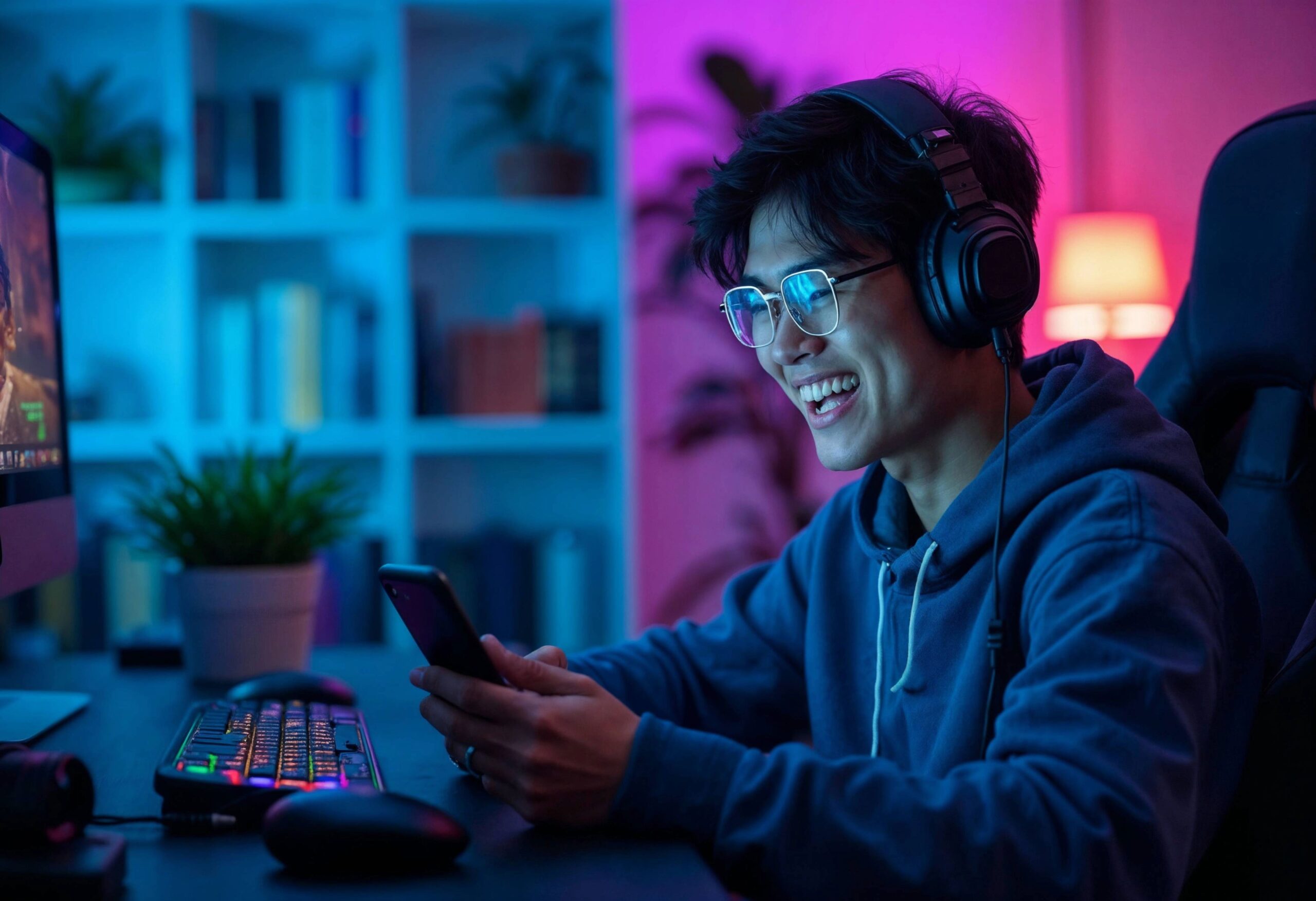
Rent a minecraft server: A young man wearing glasses and a hoodie is smiling while sitting at his gaming desk

Reliable technology isn’t a background detail — it’s the enabler of everything great in Minecraft. From modded survival to massive builds, the gameplay quality rises and falls with the server beneath it. If you’re planning to rent a Minecraft server, make tech your top priority. The right setup turns every idea into a playable reality.Formularende

Image Source: Rokas, Moments In Frame, PhotoPhantom, Adobe Stock

Horse

Mastering the Art of Riding: A Journey into the World of Equestrian Sports

Welcome to the thrilling universe of equestrian sports, where grace, skill, and passion converge. Learning to ride is more than just a sport; it’s a profound connection between human and horse, a symphony of movement and trust. In this blog post, we’ll delve into the intricacies of riding, exploring the training process, and unveiling the secrets behind mastering this timeless art.

Embarking on the Journey: Understanding the Essence of Riding

Riding isn’t merely about sitting atop a horse and commanding it to move. It’s about establishing a symbiotic relationship, understanding the nuances of equine behavior, and communicating effectively with your equine partner. From mastering the basics of balance and posture to developing a rapport with your horse, every step of the journey is a testament to dedication and perseverance.

The Training Regimen: Crafting Champions in the Saddle

Training lies at the heart of equestrian excellence. Whether you’re a novice rider or a seasoned competitor, a structured training regimen is paramount to honing your skills and achieving your goals. From dressage and show jumping to cross-country and endurance riding, each discipline demands a unique set of skills and techniques. Dedicated practice, under the guidance of experienced coaches, is the cornerstone of success in the arena.

Exploring Opportunities: The World of Hunter Jumper Horses for Sale

In the realm of equestrian sports, the search for the perfect equine partner is an essential quest. Hunter jumper horses, renowned for their athleticism and agility, are coveted companions for riders seeking success in the show ring. Whether you’re in pursuit of a seasoned competitor or a promising prospect, the market offers a diverse array of hunter jumper horses for sale. With thorough research and guidance from equine professionals, finding your ideal mount is an exhilarating endeavor. Read more at: https://www.jw-horses.com/hunter-jumper-horses-for-sale.

Fine-Tuning Performance: Mastering the Art of Equitation

Equitation, often referred to as “riding for the rider,” emphasizes the rider’s form, style, and effectiveness in the saddle. Beyond mere aesthetics, equitation is a testament to harmony and precision, where subtle cues and nuanced movements define success. Through focused training and meticulous attention to detail, riders refine their technique, elevating their performance to new heights.

Navigating Challenges: Overcoming Obstacles on the Journey

Like any pursuit, riding is not without its challenges. From mastering difficult maneuvers to overcoming fear and self-doubt, the journey is rife with obstacles to conquer. Yet, it is through facing these challenges head-on that riders truly grow and evolve, emerging stronger, more resilient, and ever more connected to their equine partners.

Embracing the Passion: The Endless Rewards of Riding

Beyond the thrill of competition and the pursuit of excellence, riding offers a myriad of rewards. From the sense of freedom and exhilaration that comes from galloping across open fields to the deep bond forged between horse and rider, the joys of riding are as vast and varied as the equestrian landscape itself. So, saddle up, embrace the journey, and discover the magic of riding for yourself.

Conclusion: Riding into the Future

In conclusion, learning to ride is a transformative journey that transcends mere sport. It’s a symphony of movement, a testament to dedication, and a profound connection between human and horse. Whether you’re a novice rider or a seasoned competitor, the world of equestrian sports offers endless opportunities for growth, challenge, and fulfillment. So, take the reins, embark on your journey, and let the adventure begin.

Picture: Pexels